A Short History of Mortise and Tenon: The Craft Behind Amish Bed Frames
Explore the traditional mortise and tenon joinery that anchors classic bed frames. This overview highlights its historical roots, structural advantages, and how this technique informs authentic Amish woodworking today.
Mortise and tenon joinery stands as one of the oldest and most trusted methods in woodworking. Its lineage runs through European carpentry, where masons and carpenters of old shared a vocabulary of joints that could be slotted, pinned, and mated with astonishing resilience. In the workshop floors of Amish communities, this technique is not merely a construction method but a language—spoken with a precise set of cuts, shoulders, and fit that endure through decades of use. The bed frame, as a daily companion, relies on joints that resist the subtleties of wood movement, gravity, and daily rhythms of living spaces. The mortise—the cavity cut into the rail or post—and the tenon—the projecting shoulder—unite to form a bond that can bear weight without clattering, creaking, or loosening under repeated use.
The Amish approach to joinery reflects a philosophy of deliberate, honest craft. Where many factory-made pieces depend on screws, staples, or cheap mass-produced fasteners, traditional joinery emphasizes a living conversation between the wood pieces themselves. The result is furniture that remains stable as seasons change, with seasonal swelling and shrinking accommodated by the hand-fit accuracy of the joints rather than by carelessly hidden hardware. In bed frames, mortise and tenon joints secure headboards to rails, side rails to posts, and slats to supports—each connection a hinge of history and function.
Three Key Moments and Three Voices: A Timeline Through Time
Early European Carpentry (circa 12th–15th centuries)
The mortise-and-tenon joint emerges as a practical solution for timber-framed structures. Carpenters in medieval Europe refine techniques that will travel with settlers across oceans, embedding a standard of reliability that furniture makers later adopt.
Proto–Amish Craft Traditions (17th–18th centuries)
In rural workshops of the Pennsylvania and Ohio frontier, joinery becomes a signature—mortises laid out with careful layout, chisels tracing lines that promise enduring fit. The bed frame becomes an early canvas for durable workmanship, where form follows function and longevity.
Amish Workshop Ethos (19th–20th centuries to today)
The Amish embrace a non-electric, deeply tactile woodworking culture. Mortise and tenon joints are executed with traditional hand tools and meticulous measurement, yielding bed frames that balance structural integrity with the beauty of exposed joinery.
Key Principles Behind Effective Mortise and Tenon Bed Frames
- Clean joinery and precise fit: The potency of mortise and tenon lies in exact dimensions. A well-cut tenon slides into a mortise with minimal gap, yet enough room for wood movement as humidity shifts—ensuring stability without cracking.
- Wood movement consideration: Unlike brittle metal-fastened furniture, timber expands and contracting with seasonal cycles. The mortise-and-tenon approach accommodates these shifts through snug, but not binding, joints.
- Material integrity and grain alignment: The choice of hardwoods—oak, cherry, maple—ensures that the grain runs with the joints, contributing to both endurance and beauty.
- Shared craft vocabulary: The joint is a language spoken by the craftsman, aligning with mortise sizing, shoulder thickness, and tenon shoulder length to create a uniform, repeatable method across bed components.
A Threefold Portrait: Contemporary Voices in Amish Woodworking
Historian: Dr. Marianne Kline (1950s–present)
A scholar whose fieldwork bridges archive research and ethnography, Dr. Kline documents the migration of joinery techniques from European workshop floors to North American farmhouses. Her work underscores how mortise and tenon frames are not only furniture but carriers of cultural memory.
Craftsman: Eli Bechtel (1960s–present)
An active maker whose studio benches at the edge of a Vermont valley, Bechtel preserves traditional joinery while mentoring apprentices. His memory of handcrafted mortises is matched by an eye for finish that reveals the wood’s quiet life.
Architectural Historian: Prof. Hara Whitman (1970s–present)
Whitman studies furniture within the broader arc of domestic space, tracing how bed frames anchored by mortise and tenon joinery shape perceptions of scale, proportion, and comfort in bedroom design through centuries.
The Pendant Bed: A Case Study in Modern Craft Heritage
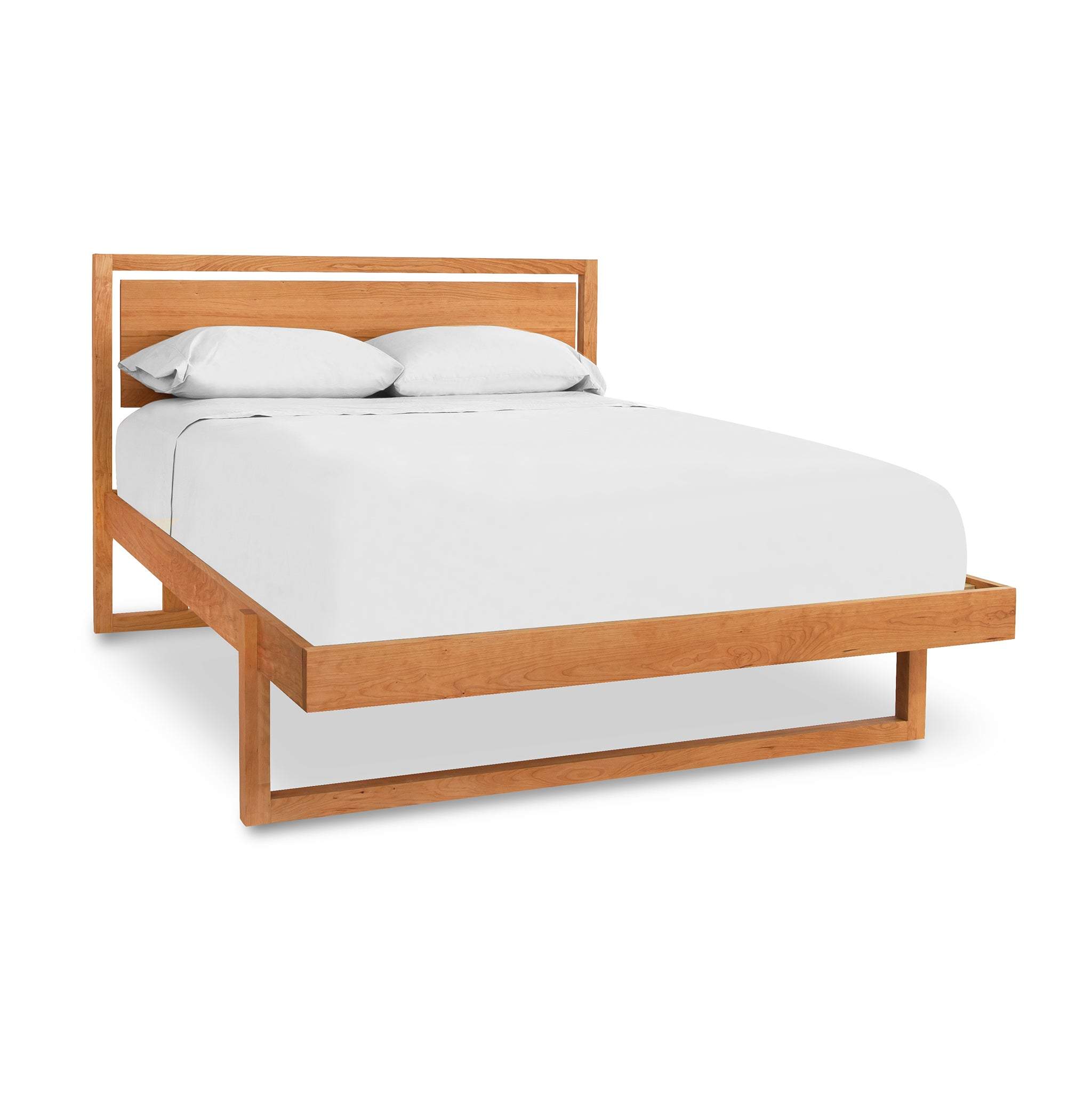
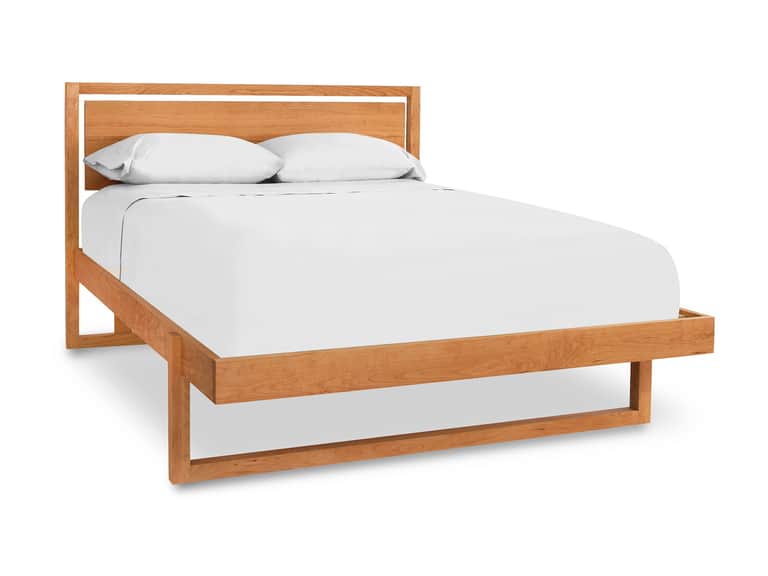
In a contemporary Vermont workshop, the Pendant Bed embodies a marriage of traditional technique and modern sensibility. Crafted from solid sustainably harvested cherry, it showcases traditional joinery executed with quiet discipline. The eco-friendly hand-applied oil finish preserves the wood’s natural warmth, while the clean lines honor both heritage and current design language.
For readers who wish to understand joinery as a living practice, the Pendant Bed provides a tactile example of how a bed frame can be both a utilitarian object and a testament to time-honored craft. The bed’s construction emphasizes mortise and tenon joints at critical junctions, ensuring that the frame remains rigid under load and resists the daily wear of sheets and blankets over many years.
Visual note: The pendant aspect of the design speaks to a ceiling of joined lines that emphasize clarity over ornament. The wood grain and the joinery become the narrative, more than any metal fastener could claim.

The Pendant Bed is more than a product—it is a study in how a single piece of furniture can embody a philosophy of simplicity, honesty in materials, and the patient discipline of joinery. When a bed frame is assembled with mortise and tenon joints, it invites a slow, careful interaction between maker and user, a reminder that the best sleep is grounded in enduring craft.
Education, Maintenance, and the Craft Ethic
The educational dimension of mortise and tenon in Amish bed frames is a throughline that connects history and practice. For students of woodworking, the technique offers a practical template for learning measurements, geometry, and tool control. For homeowners, it provides a window into the care required to sustain a wooden bed—seasonal humidity management, regular inspection of joints, and the gentle re-tightening of hand-fit components when necessary.
In the spirit of non-commercial, educational engagement, this article shares not only the mechanics but the cultural backdrop of a craft that respects time, material, and the hands that join them. The Amish bed frame is not merely an object of utility; it is a chronicle of how communities balance tradition with the demands of contemporary life.
Notes on Sourcing and a Responsible Dialogue
Given the domain focus on education rather than commerce, it is essential to anchor discussions in credible sources, museum exhibits, and scholarly work. Readers seeking deeper engagement might explore museum collections that preserve mid-20th-century woodworking practices, university archives on joinery, and catalogs from independent Vermont makers who foreground sustainable materials and transparent, non-digital fabrication processes.
Glossary (Starter)
- A cavity cut into a wood piece to receive a tenon, forming a strong joint.
- Tenon: A projecting piece on the end of a rail or board that fits into a mortise.
- Shoulder: The portion of a mortise-joint cut that defines the seating area for the tenon.
- Wood movement: The natural expansion and contraction of wood with changes in humidity and temperature.
- Hardwood: Dense, durable timber such as oak, maple, cherry, or walnut often chosen for bed frames.
- Eco-friendly finish: A wood finish that minimizes environmental impact, often oil-based and derived from sustainable sources.
Further Reading and Resources
For readers who wish to explore beyond this article, consider museum catalogs on furniture history, books on traditional joinery techniques, and a curated list of craft-focused publications that examine how mortise and tenon joinery informs modern design language. Non-commercial, educational resources that emphasize technique, history, and cultural context will best support the domain’s identity for amishbeds.com as an information-focused platform.
Publication date: September 22, 2026 • Keywords: Amish craftsmanship, mortise and tenon, bed frame joinery, traditional woodworking, Amish furniture history