Exploring the Benefits of Amish-Made Beds for Sustainable Living
Amish-made beds are not just furniture; they represent a commitment to sustainability and craftsmanship. This article delves into the environmental benefits of choosing these handmade beds, highlighting their use of natural materials and traditional manufacturing techniques.
The Essence of Amish Craftsmanship
The Amish community is renowned for its dedication to craftsmanship, a tradition that dates back centuries. Each piece of furniture crafted by Amish artisans tells a story of dedication, skill, and a commitment to quality. Unlike mass-produced items that often sacrifice durability for speed, Amish-made beds are designed to last a lifetime, often becoming heirlooms that are passed down through generations.
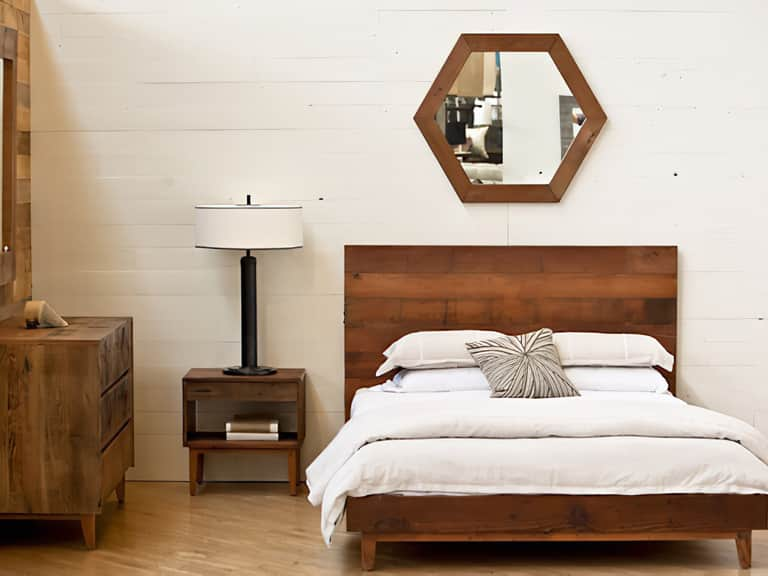
This craftsmanship is not just about aesthetics; it also involves selecting the best materials. Amish furniture makers prioritize local, sustainable woods such as oak, cherry, and maple, ensuring that their products are both beautiful and environmentally friendly. By minimizing transportation distances and using renewable resources, these artisans contribute to a more sustainable economy.
Materials Matter: The Eco-Friendly Choice
One of the standout features of Amish-made beds is their construction using natural materials. Many of these beds are made from solid wood, free from harmful chemicals and synthetic finishes. This stands in stark contrast to the often toxic materials used in conventional furniture manufacturing, such as particleboard and laminate, which can off-gas harmful substances into your home.
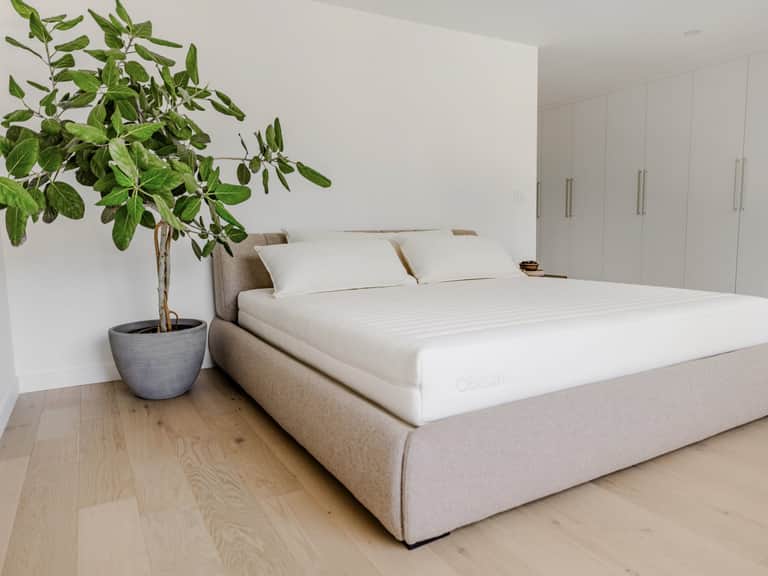
Consider the Essential Obasan 8" Organic Dunlop Latex Mattress, which complements the sustainability of an Amish bed beautifully. Made from GOLS-certified organic Dunlop latex and 100% certified organic cotton, this mattress offers a firm to medium-firm feel that is both breathable and moisture-wicking. It ensures a healthy sleeping environment free from harmful chemicals, making it an excellent choice for eco-conscious consumers.
Essential Obasan 8" Organic Dunlop Latex Mattress
Price: $1,539.00
The Essential Organic Mattress is designed as the perfect entry point for those looking to experience the benefits of an all-organic sleep surface. This mattress offers a balanced comfort level that suits a wide range of sleepers, making it an ideal choice for a healthy and eco-friendly sleep experience.
Key Features:
- 8 inches of GOLS Certified Organic Dunlop Latex
- Flippable design for customizable comfort
- Handcrafted in Canada with sustainable materials
- 10-year limited warranty
A Commitment to Sustainability
Choosing an Amish-made bed is not only a personal choice but also a statement about sustainability. By supporting local artisans, consumers are contributing to a slower, more sustainable economy that values craftsmanship over mass production. This choice reduces the carbon footprint associated with furniture manufacturing, shipping, and disposal.
Moreover, the durability of Amish beds means that they are less likely to end up in landfills, unlike cheaper, mass-produced alternatives that may need replacement after just a few years. Investing in quality furniture offers a long-term solution that is both economically and environmentally beneficial.
Historical Perspectives on Amish Craftsmanship
The Founding of the Amish Community
The Amish community traces its roots back to the early 18th century when Jakob Ammann, a Swiss Anabaptist leader, sought to reform the practices of the Mennonite church. This desire for a simpler, more devout lifestyle led to the establishment of distinct Amish communities, particularly in Pennsylvania, Ohio, and Indiana. Their focus on community, tradition, and craftsmanship formed the foundation of their furniture-making practices.
The Renaissance of Amish Furniture in the 20th Century
The 20th century saw a resurgence of interest in handcrafted furniture, including Amish-made pieces. As consumers began to seek alternatives to the mass-produced furniture flooding the market, the unique qualities of Amish craftsmanship became increasingly appealing. This period marked a significant growth in demand, leading to the establishment of numerous Amish furniture businesses that maintained traditional methods while adapting to modern consumer needs.
Modern-Day Artisans and Their Influence
Today, Amish artisans continue to innovate while adhering to traditional techniques. Many have embraced sustainability as a core value, using eco-friendly materials and practices that resonate with contemporary consumers. Figures like David Yoder, a modern Amish craftsman, emphasize the importance of quality and sustainability in their work, ensuring that each piece not only stands the test of time but also aligns with a responsible approach to living.
Conclusion: The Lasting Impact of Amish-Made Beds
In conclusion, choosing an Amish-made bed is about more than just aesthetics; it's an investment in sustainability, quality, and craftsmanship. These beds tell a story of tradition and care, making them a perfect addition to any home that values ethical living. By supporting these artisans, consumers can embrace a lifestyle that honors the past while promoting a healthier future for our planet.
As we move forward in an increasingly disposable world, the choice of a handmade, sustainable bed can serve as a powerful reminder of our connection to the environment and the importance of quality over quantity. Every Amish bed invites you to experience the beauty of craftsmanship and the benefits of sustainable living, ensuring that you not only sleep well but do so with a clear conscience.